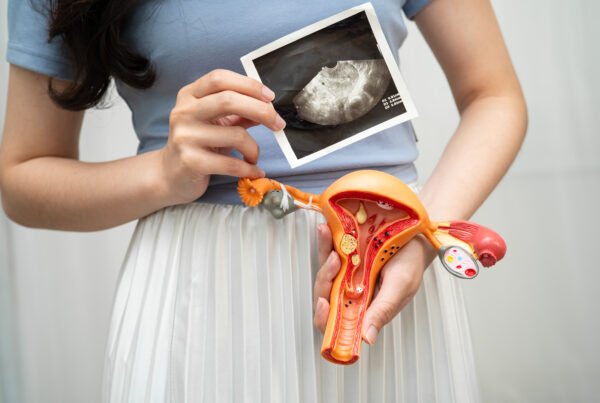
There’s something you may not know. You don’t have to be trying to get pregnant for PMOS symptoms affecting your periods, hormones and metabolism to matter.
For years, Polycystic Ovary Syndrome, or PCOS, was discussed mainly in connection with fertility. If you couldn’t conceive, had irregular periods or weren’t ovulating regularly, the conversation often moved quickly to fertility drugs, ovulation treatment or IVF. That focus created a problem. It made many women believe PCOS was something to worry about only when they wanted a baby. It isn’t.
In May 2026, the condition formerly known as Polycystic Ovary Syndrome was renamed Polyendocrine Metabolic Ovarian Syndrome, or PMOS. The new name is intended to reflect the fact that the condition involves much more than the ovaries. It can affect hormones, periods, ovulation, metabolism, mental health and cardiovascular health. So, if you have PMOS and aren’t planning a pregnancy, this isn’t something to put aside until later.
Imagine you’re 25 and your periods disappear for three or four months. You’re not sexually active, so pregnancy isn’t a concern, and you assume it’s stress or work.
Another woman is 30. Her periods are irregular, she’s developing more facial hair and her acne has become difficult to control. She isn’t married and isn’t thinking about children yet. What might you and these women have in common? None of you may see fertility as your immediate concern, and that’s precisely why PMOS can go undetected.
One common feature of PMOS is irregular ovulation. When ovulation doesn’t happen regularly, periods can become widely spaced or disappear altogether. This can eventually affect fertility, but you shouldn’t wait until you’re trying to conceive before asking why your periods aren’t normal. Your menstrual cycle is part of your health. If you have consistently irregular periods or absent periods, it’s worth speaking to a healthcare professional, whether or not pregnancy is on your mind.
Part of the problem is the old name. “Polycystic” makes it sound as though cysts are the main problem, but they aren’t. The small structures sometimes seen on an ultrasound are generally follicles, not abnormal cysts, and some women with the condition don’t have the typical “polycystic” appearance of the ovaries at all.
“Polyendocrine” points to the hormonal systems involved. “Metabolic” highlights links with blood sugar, insulin and other metabolic problems. “Ovarian” recognises the role of the ovaries in ovulation and reproduction, while “syndrome” reflects the fact that this is a group of related problems rather than one single disease.
PMOS can be linked to problems with the way the body handles blood sugar, insulin and insulin resistance. Women with PMOS have a higher prevalence of impaired glucose tolerance, type 2 diabetes, abnormal cholesterol and metabolic syndrome. That doesn’t mean every woman with PMOS will develop diabetes. It means the risk is significant enough to deserve attention. You can be slim and still have problems with blood sugar or cholesterol. You can also be overweight and have normal results.
That’s why good PMOS care isn’t simply about looking at someone’s size and saying, “You need to lose weight.” It’s about checking what is actually happening inside the body. Blood glucose, cholesterol, blood pressure and other risk factors matter, whether or not you’re trying to have a baby.
Heart health may sound like an unusual subject for a woman in her 20s or 30s, but it belongs in the PMOS conversation. International evidence-based guidance recommends that women with PMOS be assessed for cardiovascular risk factors, including a lipid profile at diagnosis and blood pressure measurement at least once a year.
There’s another part of PMOS that can’t be seen on an ultrasound: how the condition makes you feel. Unwanted facial hair, persistent acne, hair thinning and weight changes can be difficult enough. Add unpredictable periods and the worry that you may struggle to have children later, and the emotional burden can become heavy.
These problems can affect confidence, relationships, work and social life. Psychological difficulties are common among women with PMOS, so emotional wellbeing and quality of life should be part of PMOS care.
Lifestyle changes can also help with PMOS management. Improving your diet, becoming more physically active and managing weight where appropriate can benefit metabolic health and, for some women, reproductive health. But weight isn’t the whole story. Not every woman with PMOS is overweight, and being overweight doesn’t explain every symptom.
In Nigeria, the conversation around PMOS is often reduced to one question: “Will she be able to have children?” A young woman with persistently irregular periods needs care even if she has no plans to marry or have children. A woman with facial hair and severe acne deserves an explanation, not simply cosmetic advice. A woman with PMOS needs to understand why her blood pressure, blood sugar and cholesterol may need monitoring. Even a woman who has decided never to have children deserves proper care.
Don’t panic because you’ve heard the name PMOS, and don’t assume that a previous PCOS diagnosis is suddenly wrong. The condition hasn’t changed because the name has. The transition will take time, but what matters is that the way we think about the condition changes too.
If your periods are repeatedly irregular, get them checked. If you have PMOS symptoms linked to excess androgen, such as unwanted facial hair or persistent acne, speak to a healthcare professional. If you’ve been diagnosed with PMOS, ask about your metabolic and cardiovascular health. Pay attention to your mental wellbeing and don’t let fertility be the only reason you seek care.
You may not want a baby today. You may want one in two, three, four or five years. None of that changes the fact that your body deserves attention now. That’s the real message behind the move from PCOS to PMOS.
For too long, the conversation started with the baby. It should start with you, the woman: your periods, hormones, blood sugar, cholesterol, blood pressure, mental health and quality of life. The baby, if you want one, can come later; your health shouldn’t have to wait.