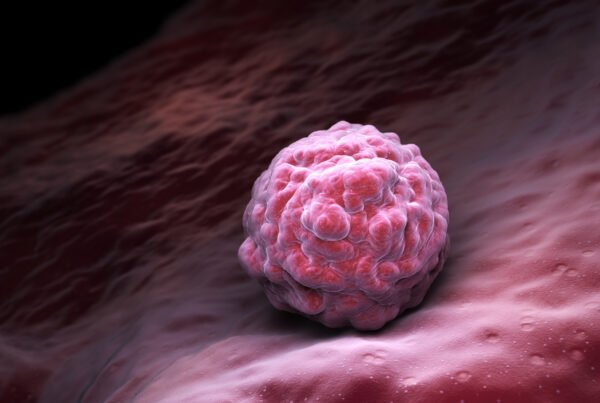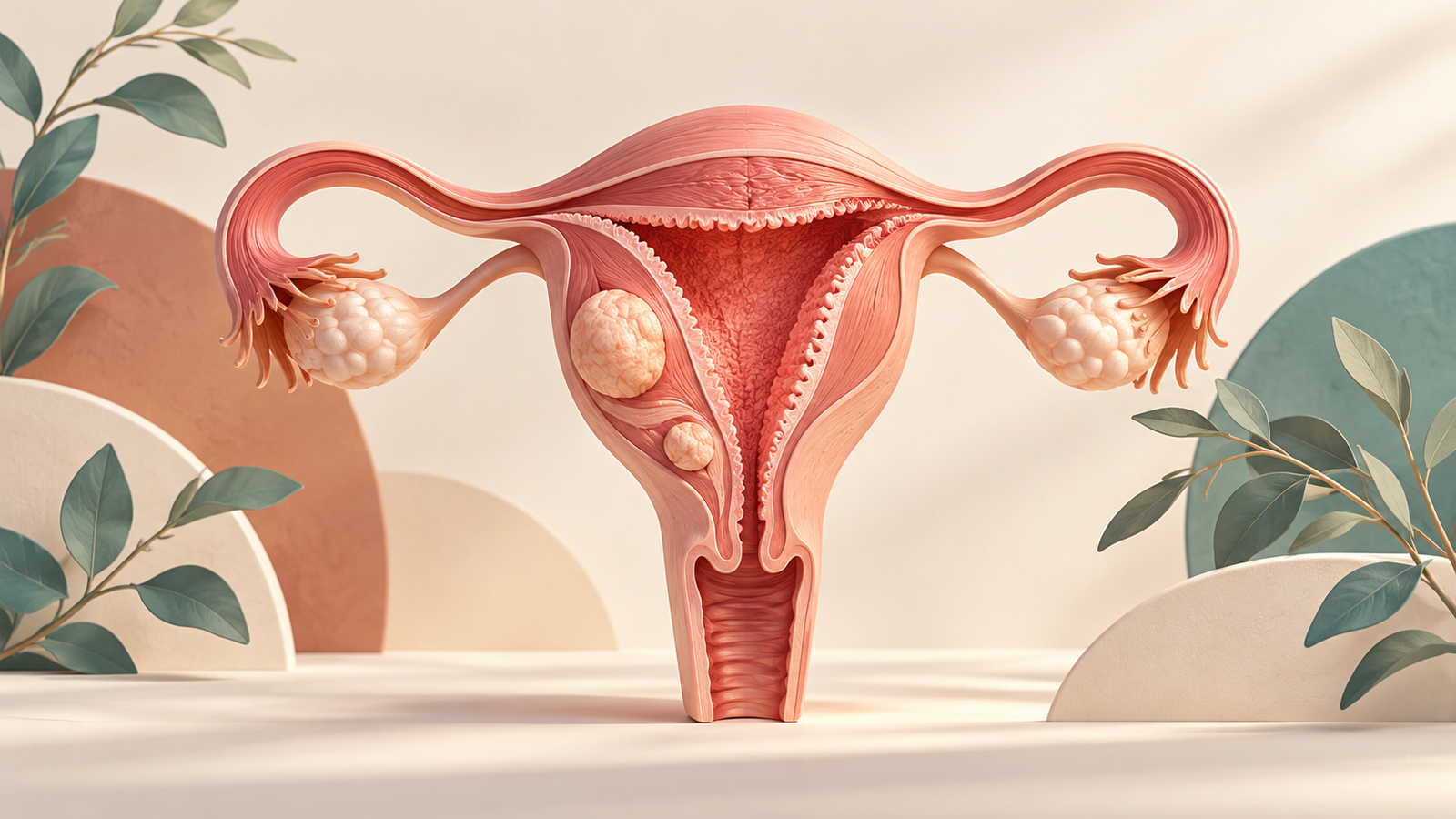
Uterine factors behind IVF failure can include fibroids that distort the womb’s cavity, polyps, adhesions and problems affecting the endometrial lining. However, a failed embryo transfer does not automatically mean something is wrong with your uterus.
In vitro fertilisation, or IVF, involves more than producing an embryo and transferring it into the womb. For pregnancy to occur, the embryo must interact successfully with the endometrium, the lining of the uterus. The uterine cavity must also be suitable for implantation and early pregnancy development.
Embryo quality remains an important factor in IVF success, but it is not the only one. Sometimes, uterine conditions can interfere with implantation or increase the risk of pregnancy loss. Identifying a relevant problem may help you and your fertility specialist make informed decisions about your next step.
Understanding IVF Failure and Implantation
An IVF cycle can be unsuccessful at different stages. Sometimes, no suitable embryo develops for transfer. In other cases, an embryo is transferred but does not implant, or a pregnancy begins and subsequently ends.
These outcomes are different and may require different investigations. A uterine assessment is one part of a wider review, rather than an explanation for every unsuccessful cycle.
The European Society of Human Reproduction and Embryology’s recommendations on recurrent implantation failure emphasise an individual approach to deciding when further investigation is appropriate.
Fibroids and IVF: Location Matters
Uterine fibroids are non-cancerous growths that are common among women of reproductive age, including women seeking fertility treatment.
Their presence does not automatically mean you cannot conceive or that IVF will fail. What matters greatly is where the fibroids are located and whether they distort the uterine cavity.
Submucosal fibroids, which project into the cavity, may be particularly relevant to implantation. Fibroids growing towards the outer surface of the uterus may have little or no direct effect on implantation. The significance of fibroids within the muscular wall requires individual assessment.
Women seeking information about fibroid assessment and treatment can explore the Fibroid Care Centre at Nordica.
Should Fibroids Be Removed Before IVF?
If you have been diagnosed with fibroids, you may be tempted to have them removed before another IVF attempt. However, surgery is not automatically necessary.
Your specialist should consider their size and location, whether they affect the cavity, your symptoms, previous treatment outcomes and the possible risks of surgery.
The American Society for Reproductive Medicine’s guidance on fibroids and fertility explains that removal may be considered for fibroids that distort the cavity. It generally does not advise surgery solely to improve pregnancy outcomes in women without symptoms whose fibroids do not distort the cavity.
An unnecessary procedure may cause complications, delay treatment or lead to scar formation. Treatment should address a clear clinical need.
Uterine Polyps and Embryo Implantation
Uterine polyps are usually benign growths that develop from the lining of the womb. Depending on their size and position, they may affect the uterine cavity and potentially interfere with implantation.
They can sometimes be detected during an ultrasound examination, although further assessment may be needed to establish their presence and significance.
Finding a polyp does not prove that it caused a failed embryo transfer. Your specialist should explain whether removal is appropriate and what benefit can reasonably be expected in your circumstances.
Adenomyosis and IVF Outcomes
Adenomyosis occurs when tissue resembling the lining of the womb grows into the muscular wall of the uterus.
You may experience heavy menstrual bleeding, painful periods or pelvic discomfort, although some women have no obvious symptoms.
Adenomyosis has been associated in studies with lower IVF success rates and an increased risk of miscarriage. Its presence does not mean pregnancy is impossible, nor does it establish that adenomyosis caused a particular failed transfer.
If it is suspected, your specialist may recommend further imaging and discuss whether the finding should change your treatment plan.
Endometriosis and IVF: Is Surgery Always Needed?
Endometriosis occurs when tissue similar to the uterine lining grows outside the uterus. It can cause inflammation, pain, adhesions and problems involving the ovaries or fallopian tubes.
Although it is not a condition inside the uterine cavity, it belongs in the wider discussion of reproductive health and IVF outcomes.
Its effects on fertility vary. Some women with endometriosis conceive naturally, while others require assisted reproductive treatment.
Endometriosis is not always the direct reason an embryo fails to implant, and not every woman with the condition needs surgery before IVF.
The ESHRE guideline on endometriosis advises against routinely operating on ovarian endometriomas before assisted reproduction solely to improve live birth rates. Surgery can affect ovarian reserve.
Your fertility specialist should weigh potential benefits against risks, considering pain, previous procedures, ovarian reserve and the wider treatment plan.
Uterine Adhesions and Asherman’s Syndrome
Scar tissue inside the uterus is another possible problem.
Intrauterine adhesions, sometimes described as Asherman’s syndrome when associated with symptoms, occur when bands of scar tissue develop within the uterine cavity. They may follow procedures involving the uterus, pregnancy-related complications or, less commonly, infection.
Adhesions can distort the cavity or damage the endometrium, potentially affecting implantation and pregnancy development.
Possible symptoms include:
- Lighter or absent periods.
- Difficulty conceiving.
- Recurrent pregnancy loss.
Symptoms differ, and a routine ultrasound may not always provide a complete picture.
Depending on your history, your doctor may recommend a saline infusion sonogram or hysteroscopy. Hysteroscopy allows direct examination of the uterine cavity and, where appropriate, treatment of adhesions.
Nordica Fertility Centre’s information on gynaecological endoscopy explains the role of procedures used to investigate and treat selected reproductive conditions.
Even after treatment, adhesions can recur, making follow-up important.
Can a Thin Endometrial Lining Affect IVF Success?
During the menstrual cycle, the endometrium changes in preparation for a possible pregnancy. In IVF, your clinic monitors this lining because it is where the embryo is expected to implant.
A thin endometrial lining has been associated with lower pregnancy rates in studies, but thickness alone cannot reliably predict the outcome of an individual transfer.
Some women with a relatively thin lining achieve pregnancy, while others with apparently favourable measurements do not.
What Happens if the Lining Remains Thin?
Your specialist may review your medication protocol, hormone exposure and possible underlying conditions. Previous uterine procedures and adhesions may also be relevant.
Different approaches may be considered, but there is no single treatment guaranteed to produce a successful pregnancy.
The important thing is to avoid turning one measurement into a verdict on your fertility. Your lining should be assessed alongside other clinical findings, the embryo being transferred and your treatment history.
Investigating Uterine Factors After Failed IVF
Assessment begins with a careful review of your history, rather than a rush into another procedure.
Your fertility specialist may consider:
| Investigation | What it can help assess |
|---|---|
| Transvaginal ultrasound | The uterus, endometrial lining, ovaries and possible structural abnormalities. |
| Saline infusion sonogram | The outline of the uterine cavity and possible polyps, cavity-distorting fibroids or adhesions. |
| Hysteroscopy | Direct examination of the uterine cavity, with treatment of selected abnormalities where appropriate. |
| Additional imaging | Further assessment when adenomyosis or another condition is suspected. |
The ASRM guidance on fertility evaluation explains how investigations should be selected according to medical history and clinical findings.
These tests should answer a specific question. More investigations do not automatically mean better care, and an abnormal finding does not necessarily explain why an IVF cycle failed.
Questions to Ask Before Your Next Embryo Transfer
Before another transfer, ask your specialist to review the previous cycle with you.
Useful questions include:
- Was there anything about the embryo, transfer procedure or treatment cycle that may help explain the outcome?
- Has my uterine cavity been assessed adequately?
- Do any fibroids affect the cavity?
- Is there a reason to investigate polyps, adhesions or adenomyosis?
- Would a proposed test or treatment change my care?
- What evidence supports the expected benefit, and what are the risks?
Women seeking a review after unsuccessful treatment can learn about Nordica’s Failed Cycle and Pregnancy Loss Clinic.
A Failed Embryo Transfer Is Not Your Fault
A failed embryo transfer does not prove that your womb rejected the embryo, and it does not mean you did anything wrong.
Many factors influence IVF outcomes, including embryo development, chromosomal factors, uterine conditions and circumstances that medicine cannot yet fully explain.
In his article, “A Failed IVF Cycle Does Not Mean All Hope Is Lost”, Dr Abayomi Ajayi discusses why an unsuccessful cycle should be reviewed in the context of the wider fertility journey.
Your womb deserves attention, but it should not automatically carry the blame. The aim is to understand what can reasonably be investigated, treat problems when evidence supports doing so and make informed decisions about your next step.
Sometimes, a closer look inside the uterus provides an important answer. Sometimes, it does not. Either way, you deserve clear explanations, evidence-based care and a fertility plan built around your individual circumstances.
To discuss your treatment history and possible next steps, book an appointment at Nordica Fertility Centre.