For many years, you have probably heard the same warning: your biological clock is ticking. If you want children, there is a limited window during which fertility is at its peak, and delaying motherhood could make conception more difficult later in life. But what happens when your life does not follow that timeline? What if you are still building your career, pursuing advanced education, launching a business, travelling the world or simply trying to achieve financial stability before bringing a child into it?. Here’s how Egg freezing can help.
Increasingly, egg freezing is offering you another option. Once considered a niche fertility treatment, it is rapidly becoming a more widely recognized reproductive choice for women who want greater flexibility in deciding when to start a family. Often referred to as “reproductive insurance”, egg freezing allows you to preserve your eggs today in the hope of expanding your family-building options tomorrow.
The science behind egg freezing is relatively straightforward. You are born with all the eggs you will ever have, and as you age, both the quantity and quality of those eggs decline. While fertility remains relatively stable during your 20s, it gradually begins to decrease in your early 30s and declines more significantly after the age of 35. By your 40s, natural conception can become considerably more challenging.
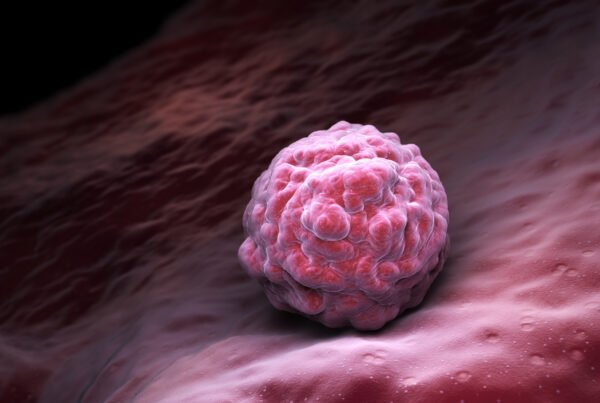
Egg freezing, medically known as oocyte cryopreservation, allows you to collect and preserve eggs while they are younger and potentially healthier. Through a process involving hormonal stimulation, your ovaries are encouraged to produce multiple mature eggs. Those eggs are then retrieved through a minor medical procedure and frozen using advanced technology that allows them to remain preserved for years.
When and if you decide to have children in the future, those eggs can be thawed, fertilised through in vitro fertilisation (IVF), and the resulting embryos transferred to the uterus in an attempt to achieve pregnancy. In simple terms, while your age continues to advance, your frozen eggs retain the age they were when collected.
This possibility is transforming conversations about fertility and family planning. For many women, the decision to freeze their eggs is not about rejecting motherhood but about creating the possibility of motherhood on their own terms.
The realities are increasingly common. Women today are marrying later, having children later and spending more years in higher education and professional development than previous generations. Yet biology has not changed as dramatically as society has. This disconnect between modern life and reproductive timelines is one of the key reasons interest in egg freezing has grown around the world.
For some women, the procedure is motivated by medical necessity rather than personal planning. If you are diagnosed with cancer and require chemotherapy or radiation, your fertility may be affected by treatment. Women with certain autoimmune conditions, genetic risks or reproductive disorders may also consider egg freezing as a way of preserving their fertility before their ovarian reserve declines. In these situations, egg freezing becomes more than a lifestyle choice. It offers an opportunity to protect future reproductive possibilities in the face of uncertain medical circumstances.
Egg freezing can expand your options, but it does not guarantee a future baby. Success depends on several factors, including your age when the eggs are frozen, the number of eggs collected, their quality, your overall reproductive health and how successfully the eggs survive thawing and fertilisation years later.
Not every frozen egg will result in an embryo, not every embryo will lead to pregnancy, and not every pregnancy will end in a live birth. This is why fertility experts often caution against viewing egg freezing as a guarantee. A more accurate description may be that it is a form of reproductive preparedness rather than reproductive insurance. Nevertheless, the benefits of egg freezing extend beyond biology to include peace of mind.
If you have ever felt pressured to make life-changing decisions because of concerns about fertility, you can understand the emotional weight that comes with the passage of time. For some women, freezing their eggs creates a sense of relief. It allows them to focus on present goals without feeling that every passing year is narrowing their future possibilities. This psychological benefit should not be underestimated. Although frozen eggs do not guarantee motherhood, they can help reduce anxiety associated with declining fertility.
This raises broader questions about reproductive equity. If fertility preservation has the potential to expand reproductive choices, should access be determined primarily by income? There is a growing case for making fertility preservation more accessible through health insurance coverage and employee benefit programmes.
You may be making difficult choices between competing priorities, often feeling that fertility has imposed a deadline on your ambitions. Egg freezing does not erase that tension entirely, but it can provide a degree of flexibility that was previously unavailable. As reproductive technology continues to evolve, the conversation around fertility is becoming less about racing against time and more about creating choices.
Ultimately, whether egg freezing is right for you depends on your personal circumstances, priorities and goals. It is not a miracle cure, a guarantee or a one-size-fits-all solution. But it is undeniably reshaping how women think about fertility and family planning.
In a world where life paths are increasingly varied and traditional timelines are constantly being redefined, the ability to preserve fertility offers something many women value deeply: the opportunity to keep future possibilities open.
You may not want a baby today. You may not even know when you will be ready. But thanks to advances in reproductive medicine, you now have an option that previous generations could only imagine: the chance to freeze your eggs today and, perhaps, have a baby tomorrow.